From an Idea to a National Foundation
Twenty-five years is a long time in technology. Industries change, businesses come and go, technologies emerge and disappear, and careers that were unimaginable a generation ago become commonplace.
But some things don't change.
The importance of opportunity. The value of experience. The power of education. And perhaps most importantly, the responsibility we have to help the next generation succeed.
As I reflect on my 25 years of involvement with the Australian Computer Society Foundation (ACS Foundation), I find myself thinking less about individual achievements and more about what we have built together.
Not simply the programs, scholarships, internships and events, but something far more important.
We have built an organisation that has endured, evolved and continued to create opportunities for generations of Australians.
And I believe that longevity may be our greatest achievement.
The ACS Foundation Established
In 2001, the ACS Foundation was little more than an idea in the minds of three people: John Ridge AM, Dennis Furini and Philip Argy.
They came to my office at Compuware in Sydney with a proposition; “give us 5 years initial funding support and the ACS Foundation (not yet a real thing) would provide Compuware Australia with a pipeline of the best graduates from Australia’s top universities”.
They recognised something that remains just as relevant today. Australia needed a stronger connection between education and industry, and young people needed more than qualifications to build successful careers. They needed opportunities.
Opportunities to learn, to experience professional environments, to develop confidence and to discover where their talents might take them.
The vision was not simply to help someone find their first job. It was to create a sustainable pathway from education into meaningful careers, supported by industry and the broader professional community. Looking back, that was an ambitious vision. It also required something that is often underestimated when establishing an organisation: the patience to build something that might take decades to demonstrate its full value.
They must have caught me on a good day. I said yes! I needed corporate approval but, in the time-honoured method used by the best executives I took the path of seeking forgiveness and not approval. The deal was done.
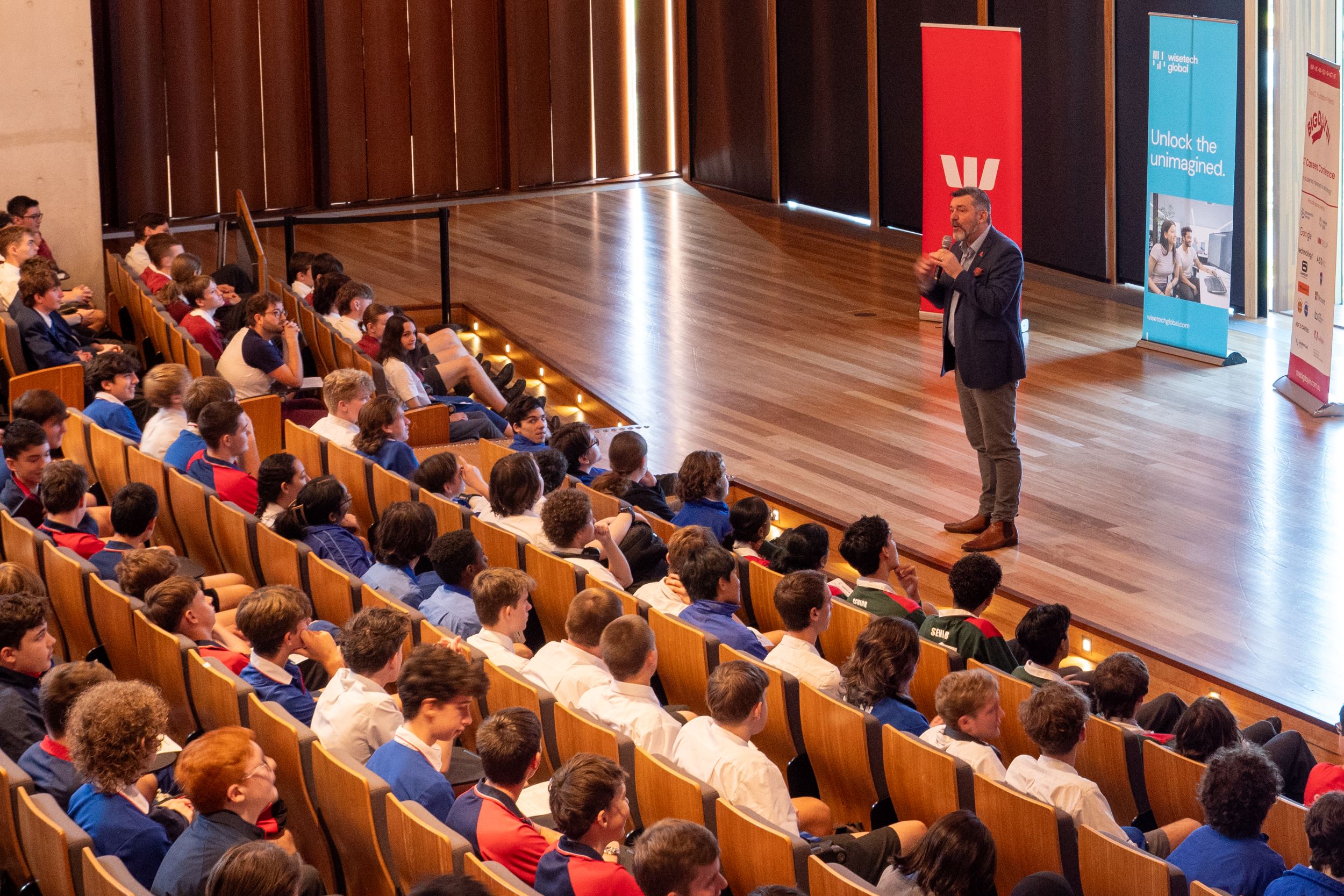
25 years later and more than 60,000 students have attended Big Day In events. Almost 10,000 scholarships and internships have been delivered. Almost $100 million has been raised to date to support Foundation programs.
Today, the ACS Foundation supports students, schools, universities, industry and businesses across Australia.
Numbers tell an important story. But numbers alone cannot describe the difference an opportunity makes in someone's life. Behind every scholarship is a person. Behind every internship is a first professional experience. Behind every school event is a student who might suddenly see a future they had never previously considered.
And behind every one of those opportunities are people and organisations who believed that investing in the next generation was worth doing.
“They must have caught me on a good day. I said yes!”John Debrincat, on the original proposition in 2001
Building Pathways Not Just Programs
Over the past 25 years, the ACS Foundation has developed and supported a range of initiatives. Each has responded to a particular need, but all share a common purpose: helping people discover, enter and progress through STEM careers.
Scholarships and Internships
One of the earliest challenges was connecting students and graduates with employers willing to provide meaningful workplace experience.
We have always known that education is essential, but qualifications alone do not necessarily make someone ready for the workplace. Experience builds confidence, professional understanding, relationships and practical skills that cannot always be taught in a classroom.
Our scholarship and internship programs have helped bridge that gap. The principle was built around Work Integrated Learning (WIL scholarships).
For some participants, it was their first experience working in a professional organisation. For others, it was the beginning of a career that would eventually lead them into management, executive leadership or business ownership.
What began as a relatively simple connection between students and employers became a long-term investment in Australia's professional workforce.
Deciding on the Career Path is Complex
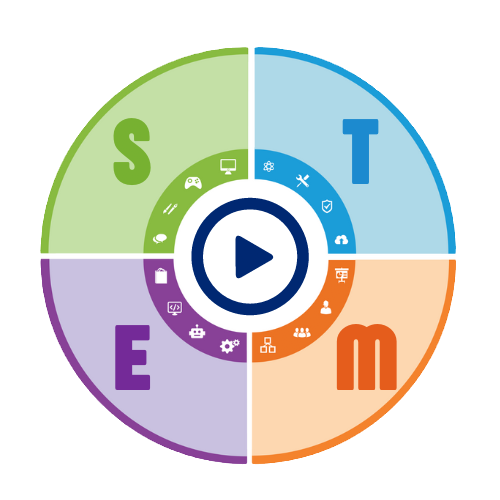
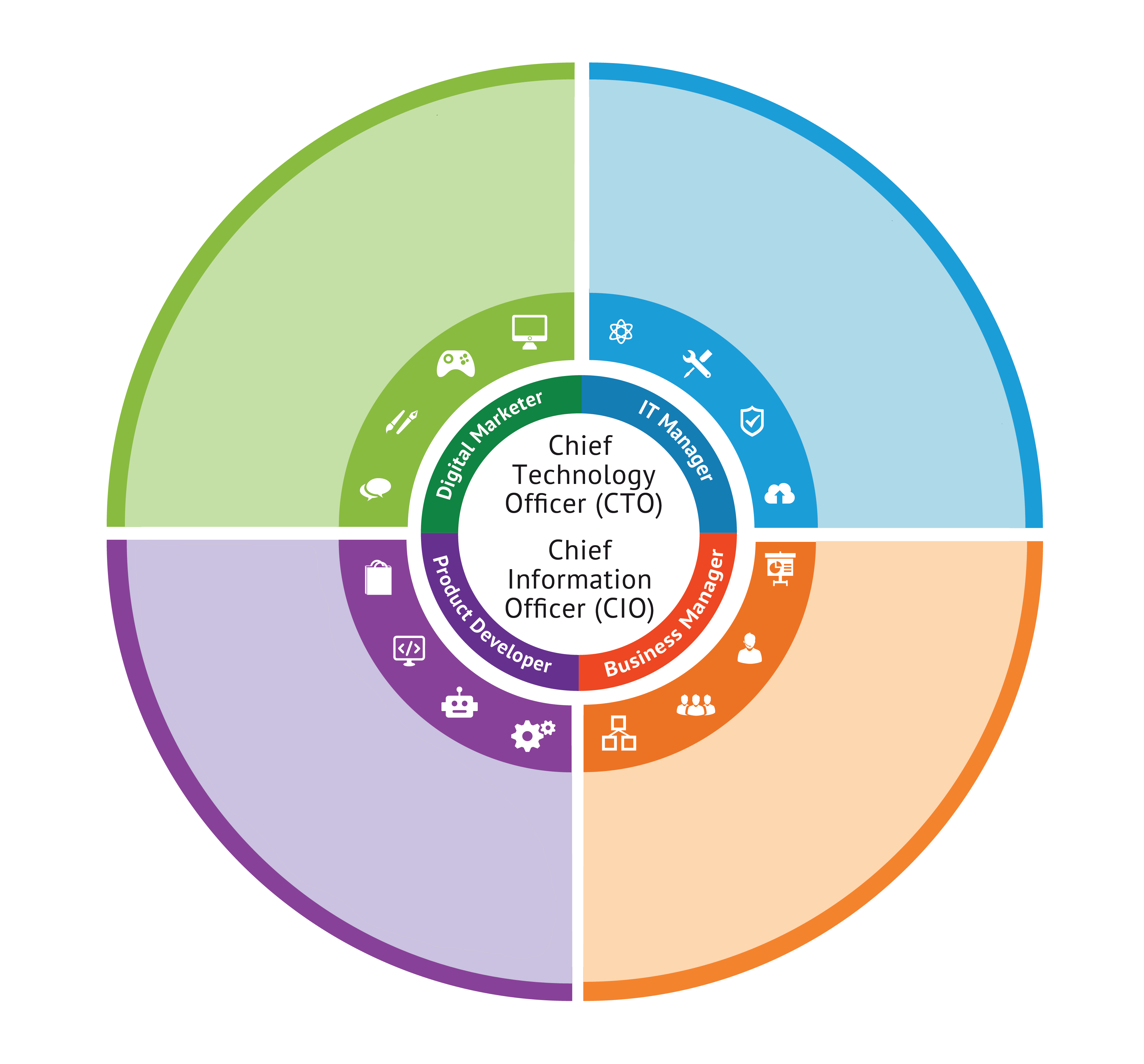
Early in the development of the Foundation, we realised that understanding the career options in STEM was complex. So, we developed Careers Foundation resources including the STEM Career Wheel and a Technology Career Map for Students. These resources help students and educators explore the connections between interests, education and career opportunities. The increasing complexity of STEM careers created another challenge.
How can students make informed decisions about their future when the careers themselves are changing so rapidly? Many of today's technology roles did not exist 25 years ago. Many of the roles that will exist 25 years from now have yet to be imagined.
Rather than seeing STEM as a collection of isolated subjects or occupations, the Career Wheel helps people explore pathways and understand the relationships between different areas of study and professional opportunities.
It reflects an important principle; we should help young people discover what might be possible.
Foundation Jobs
The development of Foundation Jobs came out of extending this thinking.
We recognised that many graduates faced a familiar problem: employers wanted experience, but graduates needed employment to gain that experience.
Foundation Jobs was designed to help break that cycle.
By connecting students and recent graduates with organisations needing professional assistance on short-term projects, we created opportunities for graduates to contribute their emerging skills while gaining practical experience.
Importantly, these opportunities were supported by the ACS Foundation.
The concept was straightforward. Organisations gained access to emerging talent, while graduates gained the experience, confidence and professional connections needed to progress.
It was another way of recognising that a career does not begin simply when someone receives a qualification. It begins when someone is given the opportunity to apply what they have learned.
THE BiG DAY IN – Designed for Kids
THE BiG DAY IN and BiG DAY IN Junior programs took the Foundation into reaching students before they had made decisions about their careers.
For secondary and primary school students, the world of information technology and STEM can appear both exciting and confusing. What does a career in technology actually involve? What opportunities exist beyond programming? What subjects should students consider? What does someone working in cyber security, engineering, artificial intelligence or digital technology do every day?
THE BiG DAY IN brought industry into the conversation. Through presentations and engagement with professionals and organisations, students gained insights into real careers and the people working in them.
BiG DAY IN Junior extended this approach to primary school students, encouraging curiosity and awareness at an earlier age.
More than 60,000 students have attended Big Day In events.
Women in STEM
For much of its history, the technology industry has been male dominated.
While progress has been made, there remains a need to encourage greater participation by women across STEM disciplines. Our Women in STEM initiatives have recognised that building a strong workforce requires more than simply increasing the number of people entering the industry. We do this through the Women of Stem Scholarships (WoS Scholarships).
It requires broadening participation and ensuring talented people have the confidence, encouragement and opportunities to succeed. A more balanced workforce brings different perspectives, experiences and approaches to solving problems. And for young women considering STEM careers, seeing successful women working in these industries can make an enormous difference.
It demonstrates that these opportunities are not just available in theory. They are achievable in practice.
Neuro Inclusive Scholarships
Another important development came through the work and leadership of our Western Australian team. They recognised that neuro-divergent students could bring valuable and unique talents, perspectives and capabilities to the technology industry. But they face entry barriers in conventional recruitment and workplace recruiting environments.
This helped shape our Neuro-Diverse Internships programs. The importance of these initiatives extends beyond providing financial or employment assistance. They challenge assumptions about how people learn, communicate, work and contribute.
They also encourage employers to recognise that talent does not always present itself in conventional ways. In an industry built on innovation and solving complex problems, different ways of thinking should be regarded as an opportunity, not an obstacle.

The People Who Built the Foundation
No organisation survives for 25 years on a good idea alone. It takes commitment, leadership, resilience, generosity and, occasionally, a willingness to keep going when things become difficult. The ACS Foundation has been fortunate to have extraordinary supporters throughout its history.
The original vision of John Ridge AM, Dennis Furini and Philip Argy was supported and developed by many talented directors, including Karim Barbara, Penny Coulter and John Price, along with others who contributed their time, expertise and professional networks.
Some of those who helped build the Foundation are sadly no longer with us.
Their contribution deserves recognition, not simply because of the work they performed, but because they helped create something that continues to benefit people they will never meet.
We have also been fortunate to have a small but remarkable operational team. Like many not-for-profit organisations, much of the Foundation's work happens away from public attention. There are partnerships to develop, events to organise, students to support, employers to engage, programs to administer and countless challenges to resolve.
It takes a special group of people to consistently deliver national programs with limited resources. The Foundation's achievements are as much theirs as anyone's.
And we must not overlook the employers, donors, educational institutions and industry partners who have supported our work. Their contribution has not simply been financial. They have provided opportunities, mentoring, experience, expertise and, most importantly, belief in the people we are trying to help.
The Foundation from Different Perspectives
Over the past 25 years, I have been fortunate to see the ACS Foundation from many different perspectives. I have been involved as a friend, industry executive, donor, business partner, scholarship supporter, director and Chair. Each role has provided a different understanding of the Foundation and its purpose.
As a director and Chair, I came to appreciate the challenges of building and sustaining an organisation whose real achievements often take years, or even decades, to become apparent.
What is the most important thing we have delivered? It would be easy to point to the scholarships, internships, events, programs or funds raised. They are all significant achievements.
But my answer is something different. Longevity.
Why Longevity Matters
Every day, people look to organisations for support. A student looks for an opportunity. A graduate is looking for their first job. A university is looking for industry connections. An employer looks for talent.
But the real value of an organisation like the ACS Foundation is not simply what it can do today. It is the confidence that it will still be there tomorrow. Twenty-five years ago, our earliest scholarship recipients were students or graduates beginning their careers. Some of those young, smiling faces are today’s senior managers, executives, business owners and industry leaders.
Some are now in positions where they can provide the same opportunities they once received. They have moved from being recipients of support to becoming supporters themselves.
Think about that for a moment.
A student receives a scholarship. They gain experience, find employment and develop a career. Over time, they become a manager, then perhaps an executive or business owner.
Years later, they return to the Foundation, not seeking an opportunity, but offering one. A new student begins the same journey. The Foundation's long-term impact grows as those once supported become supporters of the next generation.
That is what sustainability really looks like.
Not simply an organisation continuing to operate, but the people it has supported are becoming part of its future. It is a cycle of opportunity that can continue across generations. And it is something that cannot be created overnight.
Partnerships Are About More Than Money
The ACS Foundation has also demonstrated the importance of collaboration between education, industry and professional organisations.
Our relationship with the Australian Computer Society has been an important part of that journey.
While the ACS Foundation is a separate organisation, our work has complemented the broader professional community by helping students develop the skills, experience and connections that can eventually lead them into professional membership and participation.
We have also worked with universities, schools, employers and businesses across Australia.
The most successful partnerships are those where everyone understands that the benefits extend beyond their immediate interests.
An employer supporting a scholarship may eventually recruit a talented graduate.
A university engaging with industry can improve its students' career opportunities.
A professional organisation supporting emerging talent helps strengthen its future membership and relevance. And students who receive opportunities today may become the people supporting these organisations tomorrow.
The value is cumulative.
Building Something That Will Last
There is an analogy that I think captures the first 25 years of the ACS Foundation. When we admire a great building, we usually look upwards. We see its height, its design, its structure and the way it occupies the skyline.
We rarely think about what lies beneath it.
Yet the taller a building is intended to rise, the more important its foundations become.
Great structures do not begin by simply building upwards from the ground.
They begin by digging down.
Engineers study the ground, establish the supporting structures, strengthen the foundations and create the capacity to carry what will eventually be built above. Much of that work is invisible once the building is completed. But without it, the structure cannot endure.
I believe that is what the first 25 years of the ACS Foundation was about.
We have been digging down, building connections, establishing trust, developing programs, learning from experience and creating the foundations needed to support future generations.
There have been challenges and disappointments along the way. Not every initiative has been easy, and not every opportunity has developed as we might have hoped. But those experiences are part of building something worthwhile. The important thing is that the Foundation has continued to adapt, grow and remain relevant.
The first 25 years have not simply been about what we have built above ground. They have been about creating the strength beneath it.
The Next 25 Years
As we look ahead, the challenges facing Australia are changing. Artificial intelligence, cyber security, automation, quantum computing, environmental technologies and countless other developments are transforming the skills our economy and society will need.
At the same time, the transition from education into employment remains difficult for many young people.
The challenge is no longer simply encouraging more students to study STEM. We must also ensure there are genuine opportunities for them to apply their knowledge, develop their skills and build meaningful careers. We need to continue broadening participation, supporting women, recognising neurodivergent talent and reaching students who may not otherwise see STEM as an option.
And we must recognise that tomorrow’s careers will not necessarily follow the pathways of yesterday.
The Foundation will need to continue evolving.
Some of our current programs may look very different in 25 years. New initiatives will emerge, new partnerships will develop and new technologies will create opportunities that we cannot yet imagine.
But the purpose should remain unchanged. To connect talent with opportunity. To support the transition from learning to professional experience.
And to ensure that the next generation has a stronger foundation on which to build its future.
A Personal Reflection
Twenty-five years is a significant part of anyone's professional life.
When I look back on my involvement with the ACS Foundation, I feel fortunate to have worked alongside so many people who have been willing to give their time, knowledge, resources and support to something bigger than themselves. I am proud of what we have achieved.
But I am even more encouraged by the people who have come through our programs and are now contributing to the industry. They are the real measure of our success.
An organisation should not be judged solely by what it achieves while its founders and early supporters remain involved. Its true value becomes apparent when new generations take responsibility for their future.
The fact that we are now seeing former scholarship recipients return as employers, business leaders, partners and supporters tells me that the original vision was more than a good idea.
It was worth building and it is worth continuing.
In 2001, three people imagined an organisation that could help build Australia's future technology workforce.
Twenty-five years later, that organisation touched the lives of tens of thousands of students, supported thousands of early-career opportunities and built relationships across education, industry and the professional community.
The Foundation is no longer simply an idea. It is an enduring commitment.
The best investment we can make in the future is not simply in technology, infrastructure or institutions. It is in people who will carry that future forward.
We have spent 25 years building the foundations.
What comes next?
With the right people, the right partnerships and the same commitment to opportunity that started it all, I believe the sky is the limit. And I hope that, 25 years from now, someone else will be reflecting on the Foundation's first 50 years and recognising that the work we began was only the beginning.